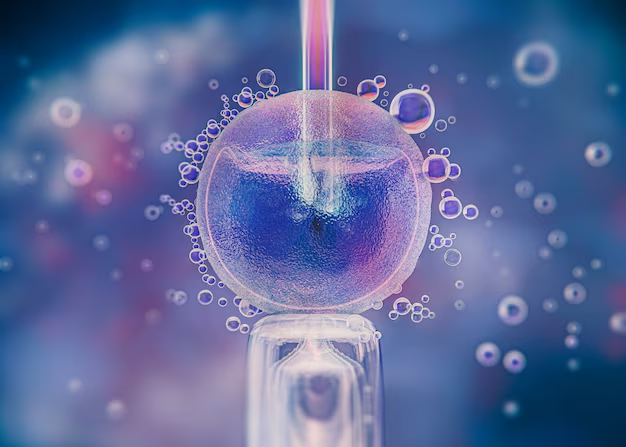
Infertility can be emotionally challenging — but with modern reproductive technology, parenthood is possible. In-Vitro Fertilization (IVF) is one of the most successful fertility treatments, helping millions of couples worldwide conceive. If you’re new to IVF, this step-by-step guide will help you understand the process clearly and confidently.
IVF is often recommended for couples facing various fertility challenges such as blocked fallopian tubes, male factor infertility, ovulation disorders, or unexplained infertility. Beyond its clinical success, IVF offers emotional reassurance and renewed hope to countless individuals.
What Is IVF?
IVF (In-Vitro Fertilization) is a medical procedure where eggs are collected from the ovaries and fertilized with sperm in a laboratory. Once an embryo is formed, it is transferred back into the woman’s uterus to achieve pregnancy.
Who Can Benefit from IVF?
IVF is commonly recommended for:
- Blocked or damaged fallopian tubes
- Low sperm count or poor sperm quality
- Endometriosis
- PCOS (Polycystic Ovary Syndrome)
- Unexplained infertility
- Age-related fertility issues
- Genetic concerns (with PGD/PGS testing)