Treatment

Advanced Sperm Selection for Better IVF Outcomes

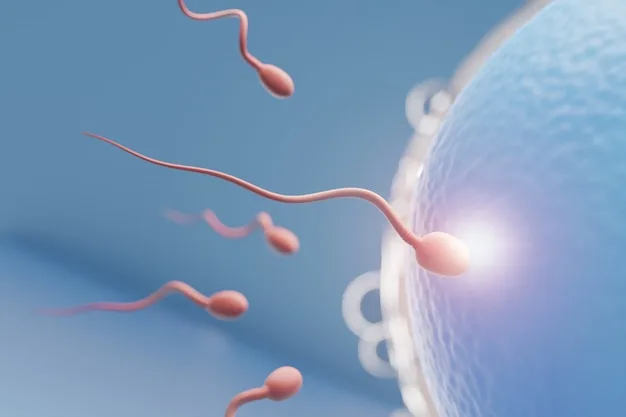
IMSI is an advanced variation of traditional IVF/ICSI, where sperm are examined under ultra-high magnification (≈ 6000× or more) before being selected for fertilization.

This high-magnification evaluation allows embryologists to detect subtle structural abnormalities in sperm — especially in the head and nucleus — that are often invisible under conventional magnification (~400×).

Why Choose IMSI with Global Fertility Services

Superior Sperm Quality Selection

Using high-magnification microscopy helps identify sperm with optimal morphology, avoiding those with defects that could impact embryo development.

Improved Success for Male-Factor or Previous Failures

IMSI is especially beneficial when male-factor infertility (low sperm count, poor motility or morphology), repeated IVF/ICSI failures, or recurrent miscarriages are involved.

Better Embryo Quality & Lower Miscarriage Risk

Studies show IMSI can improve pregnancy and implantation rates, and often reduce miscarriage risk compared to standard ICSI in severe infertility cases.

Tailored IVF Protocols

At Global Fertility Services, we evaluate your full fertility profile and recommend IMSI only when it’s medically appropriate. We combine IMSI with our world-class lab facilities and experienced embryologists for optimal results.

Who Should Consider IMSI?

The male partner has very low sperm count, poor motility or abnormal sperm morphology (teratozoospermia / asthenozoospermia / oligozoospermia).

Previous IVF or ICSI cycles failed due to poor fertilization or embryo development.

There have been repeated miscarriages or embryo implantation failures.

IMSI Procedure – What to Expect

Semen Collection & Preparation

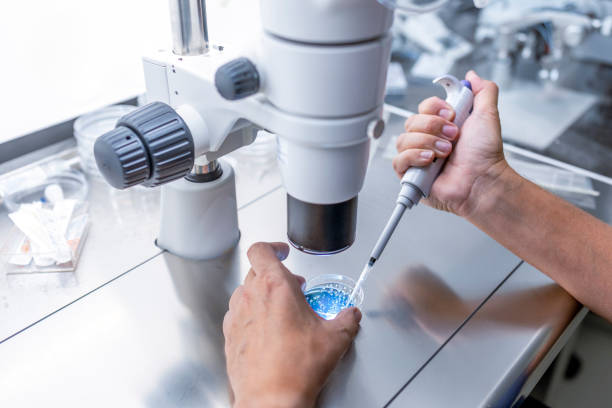
A semen sample (from ejaculate or surgically retrieved if needed) is processed to isolate motile sperm.

Micro-injection into Egg

Selected sperm is micro-injected directly into the mature egg (as in ICSI). Fertilization occurs in the lab, followed by embryo culture and monitoring.

Embryo Transfer & Support

After embryo development (usually 3–5 days), the best embryo is transferred to the uterus. Pregnancy support and follow-up care continue as per protocol.

Contact Us

Start Your Journey Today

Call Us:

Visit Us:

R/O HOUSE NO-20/13, T/F, Ashok Nagar,
New Delhi, West Delhi- 110018, Delhi.

We Value Your Feedback

Your thoughts help us improve our services and provide better care for families around the world. Please take a moment to share your experience.

Frequently Asked Questions

It is an IVF procedure where eggs from a healthy donor are used to create embryos and transfer them to the recipient’s uterus for pregnancy. This is helpful when a woman’s own eggs are not viable.

Yes. Donor identity remains completely anonymous. Only essential, non-personal details such as age, physical features and health reports are shared.

The baby may inherit some traits from the donor, but the environment and pregnancy still influence development. Many parents feel a strong biological connection with the baby after birth.

Success rates are often higher than regular IVF — in many cases 60% to 80%, depending on age, uterus health, lifestyle and clinic expertise.

Yes. The recipient only undergoes uterine preparation and embryo transfer — both are minimally invasive and safe under medical supervision.